Crafting a user-centric patient portal empowering patients to manage their pulmonary arterial hypertension (PAH).

Project overview
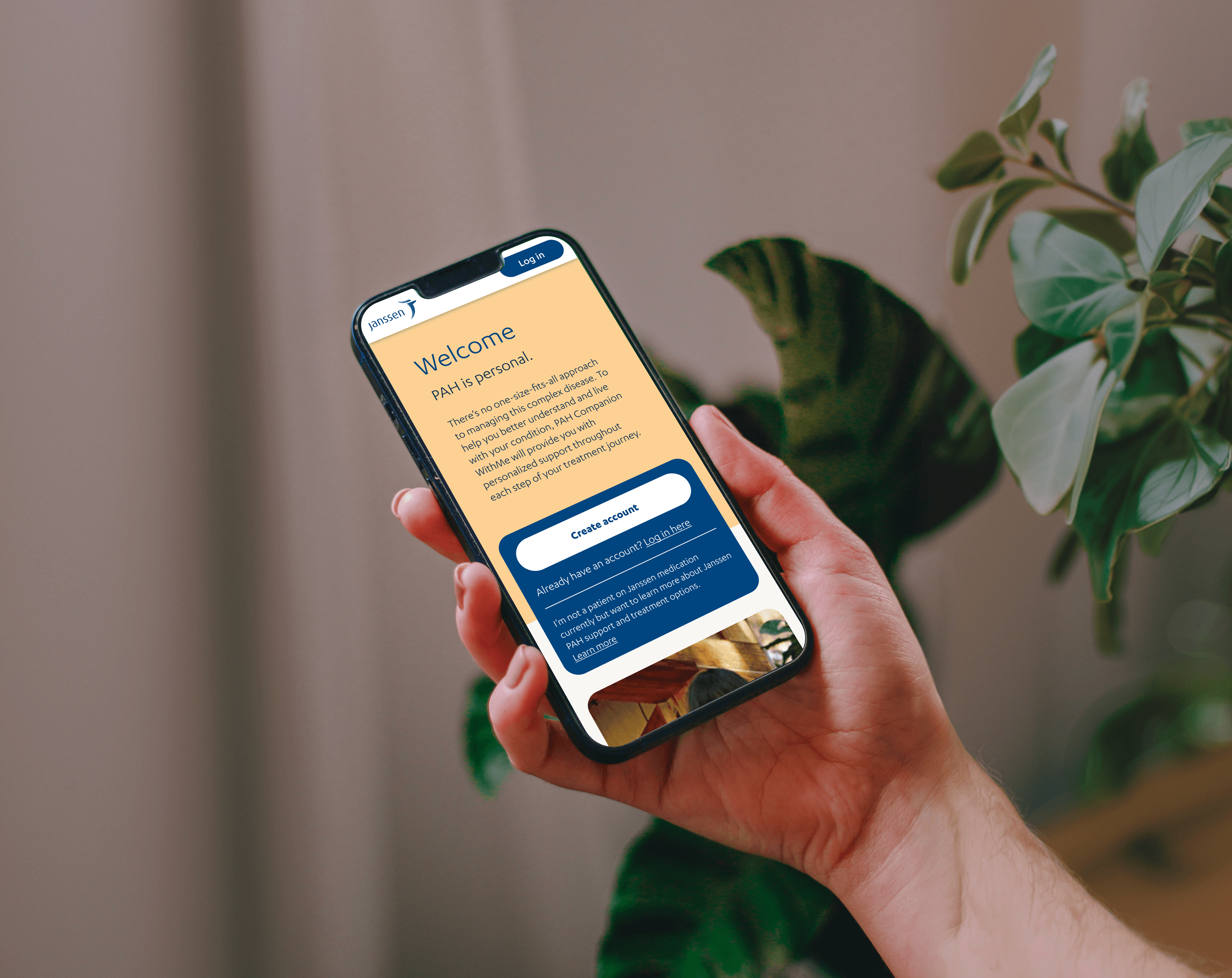
Living with Pulmonary Arterial Hypertension (PAH) is not a single moment—it’s an ongoing, daily experience. Patients are asked to continuously monitor symptoms, manage treatments, and make sense of how their condition evolves over time.
This project focused on designing a companion experience that supports patients beyond the clinical setting—helping them stay engaged, build understanding, and feel supported in the in-between moments where care often falls apart.
My contributions
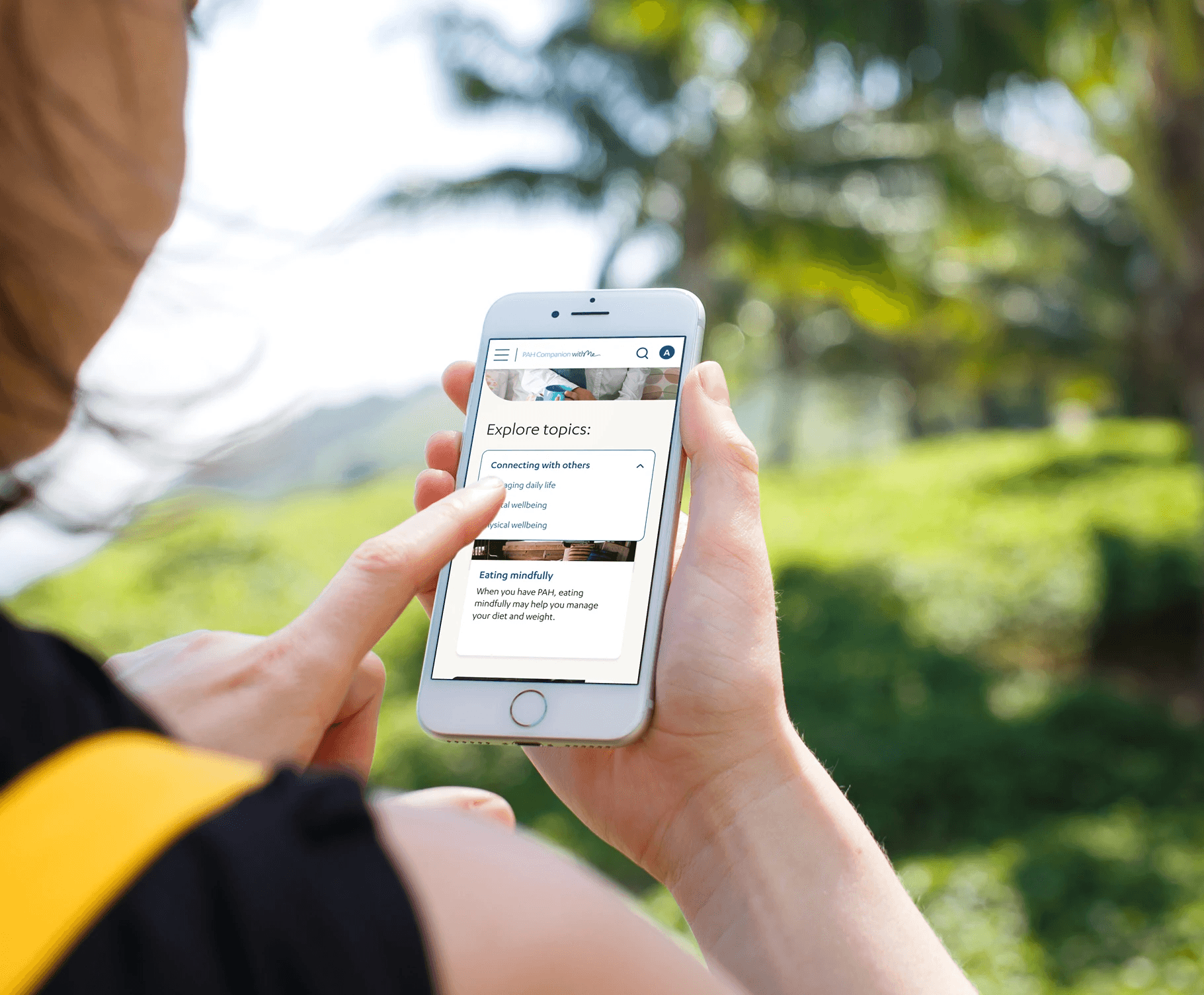
As the lead UI designer, I led the design of core product flows and interaction patterns, working closely with cross-functional partners across design, content, and medical teams. Rather than focusing on a single touchpoint, we approached the product as a system—designing for repeat use, long-term engagement, and the small, everyday interactions that shape how patients experience their care.
Key design decisions
The challenge wasn’t helping patients prepare—it was helping them stay consistent over time.
Managing PAH requires ongoing attention, but most tools aren’t designed for daily life. Patients fall out of routines, lose track of important information, or feel overwhelmed by the effort it takes to stay engaged. Unlike moment-based experiences, this required designing for repetition without fatigue. The experience needed to feel supportive, not demanding—something patients could return to regularly without friction or cognitive overload. At the same time, the system had to balance depth and simplicity, giving patients meaningful insight without overwhelming them.
Impact
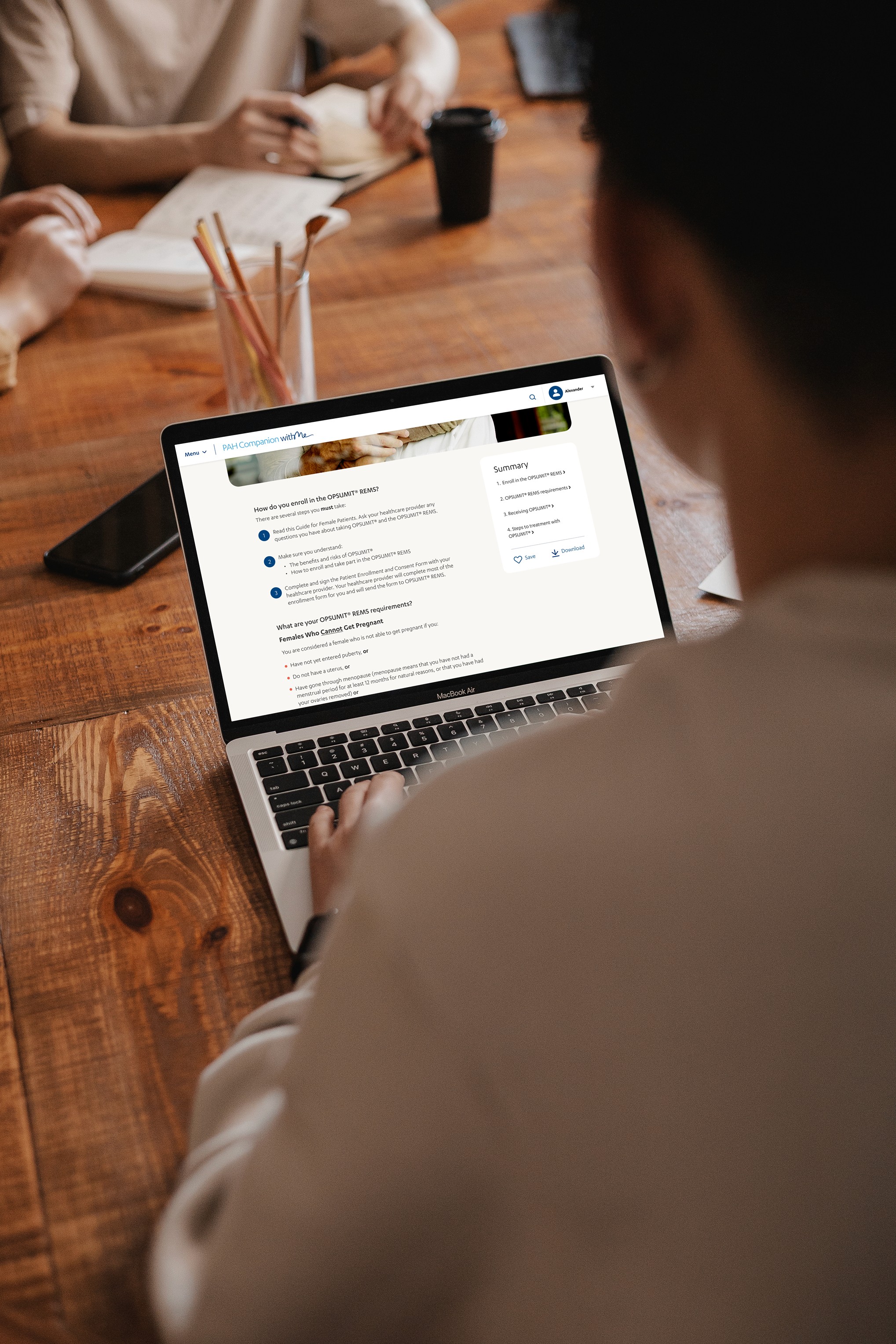
By providing a templated patient-centered system that made ongoing care easier to understand and navigate. Patients were able to take clearer, more consistent action, building stronger habits around managing their condition over time. The usability testing team mentioned that PAH with me users completed key flows more easily and reported greater confidence in understanding their symptoms, treatments, and progress. Engagement improved as the experience reduced friction and created a stronger sense of continuity across interactions.
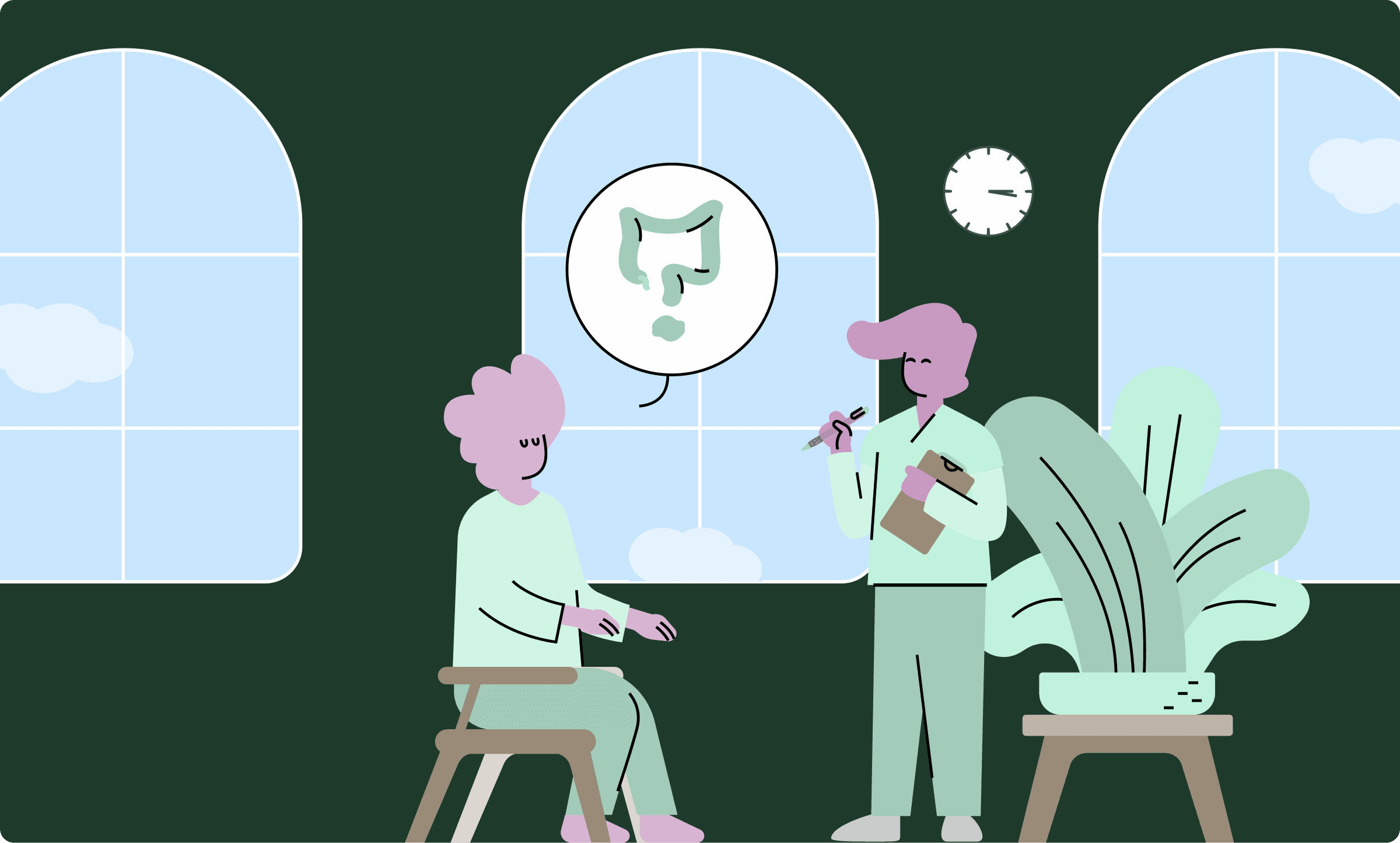
Patients reported feeling more supported between appointments and having a clearer understanding of how to manage their condition day to day. The introduction of illustrations helped soften the experience, making it feel more approachable and less clinical. Over time, the product evolved from a set of disconnected tools into a unified companion—helping patients stay informed, engaged, and connected throughout their care journey.
Reflection
This project reinforced that designing for healthcare isn’t just about delivering information—it’s about supporting people in moments that matter. I learned that clarity alone isn’t enough. Patients need systems that help them stay consistent, reduce friction, and feel supported over time. The most meaningful impact came from creating alignment—bringing patients and doctors closer together through shared understanding, and enabling more confident, human conversations throughout the care journey.
Latest projects

Crafting a user-centric patient portal empowering patients to manage their pulmonary arterial hypertension (PAH).
Project overview
Living with Pulmonary Arterial Hypertension (PAH) is not a single moment—it’s an ongoing, daily experience. Patients are asked to continuously monitor symptoms, manage treatments, and make sense of how their condition evolves over time.
This project focused on designing a companion experience that supports patients beyond the clinical setting—helping them stay engaged, build understanding, and feel supported in the in-between moments where care often falls apart.
My contributions
As the lead UI designer, I led the design of core product flows and interaction patterns, working closely with cross-functional partners across design, content, and medical teams. Rather than focusing on a single touchpoint, we approached the product as a system—designing for repeat use, long-term engagement, and the small, everyday interactions that shape how patients experience their care.
Key design decisions
The challenge wasn’t helping patients prepare—it was helping them stay consistent over time.
Managing PAH requires ongoing attention, but most tools aren’t designed for daily life. Patients fall out of routines, lose track of important information, or feel overwhelmed by the effort it takes to stay engaged. Unlike moment-based experiences, this required designing for repetition without fatigue. The experience needed to feel supportive, not demanding—something patients could return to regularly without friction or cognitive overload. At the same time, the system had to balance depth and simplicity, giving patients meaningful insight without overwhelming them.
Impact
By providing a templated patient-centered system that made ongoing care easier to understand and navigate. Patients were able to take clearer, more consistent action, building stronger habits around managing their condition over time. The usability testing team mentioned that PAH with me users completed key flows more easily and reported greater confidence in understanding their symptoms, treatments, and progress. Engagement improved as the experience reduced friction and created a stronger sense of continuity across interactions.
Patients reported feeling more supported between appointments and having a clearer understanding of how to manage their condition day to day. The introduction of illustrations helped soften the experience, making it feel more approachable and less clinical. Over time, the product evolved from a set of disconnected tools into a unified companion—helping patients stay informed, engaged, and connected throughout their care journey.
Reflection
This project reinforced that designing for healthcare isn’t just about delivering information—it’s about supporting people in moments that matter. I learned that clarity alone isn’t enough. Patients need systems that help them stay consistent, reduce friction, and feel supported over time. The most meaningful impact came from creating alignment—bringing patients and doctors closer together through shared understanding, and enabling more confident, human conversations throughout the care journey.