Bringing mental health support closer, when it matters most
Company
Concept
Timeline
2025
—
2025
Role
Designer & Co-Visionary
Project overview
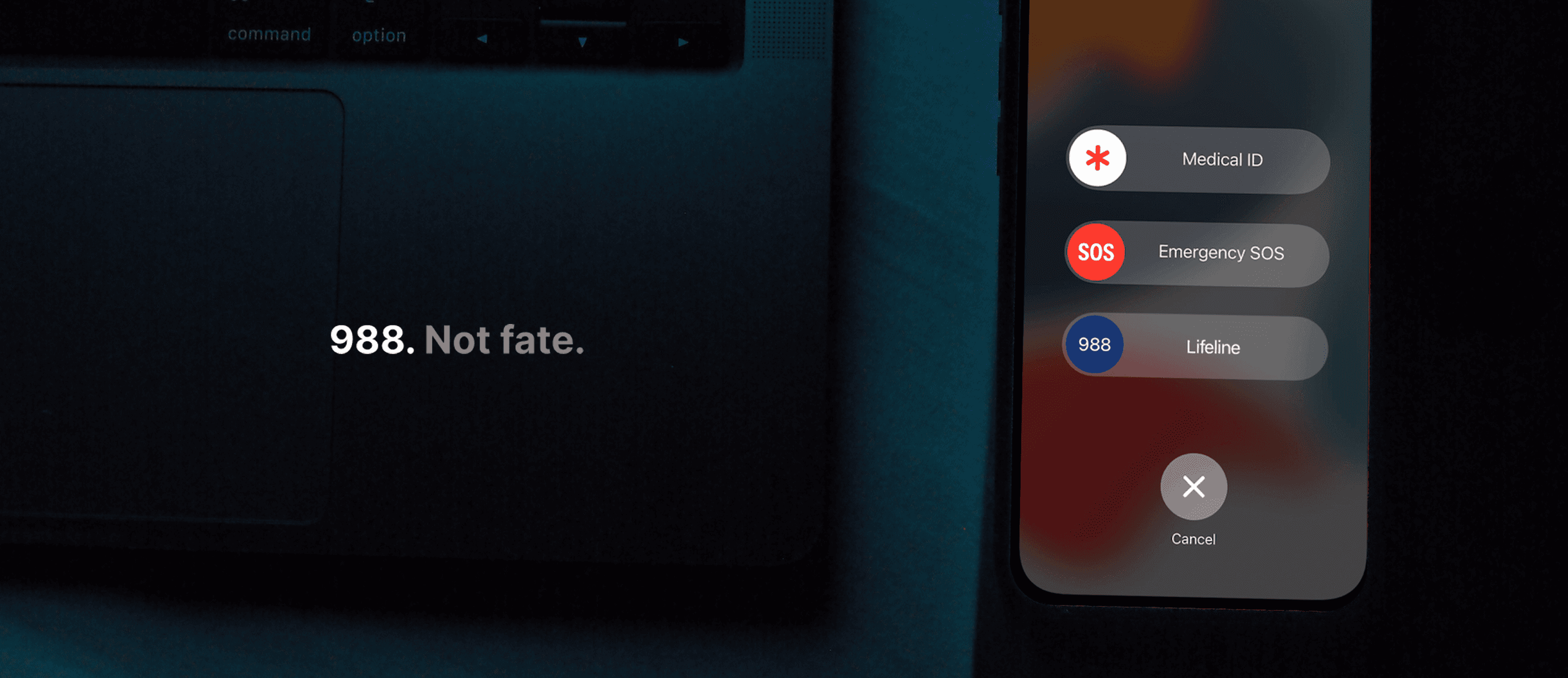
988 is a free, nationwide mental health crisis line designed to support people in moments of need. While the service is accessible by call or text, awareness remains low—many people don’t know it exists or how to access it in critical moments. This project began as a response to a creative brief that explored how 988 could be more effectively integrated into everyday mobile experiences.
Rather than creating a new product, the focus was on how existing system patterns—like emergency services, lock screen interactions, and quick actions—could surface support at the right time. The goal was to reduce the distance between crisis and care, using familiar interactions to make help feel more immediate and accessible.
My contributions
I contributed to the development of a concept exploring how 988 could integrate into existing mobile experiences, focusing on system-level touchpoints across iOS and Android. Working closely with a teammate, we responded to a creative brief by identifying opportunities within familiar interactions—like emergency flows, lock screens, and quick actions—to make support more visible and immediate. While this began as a pitch, it quickly became something more. Mental health isn’t something to be pitched—it can be a cry for help. That shift in perspective grounded the work, pushing us to focus on creating something people could realistically access and use in moments of need.
Key design decisions
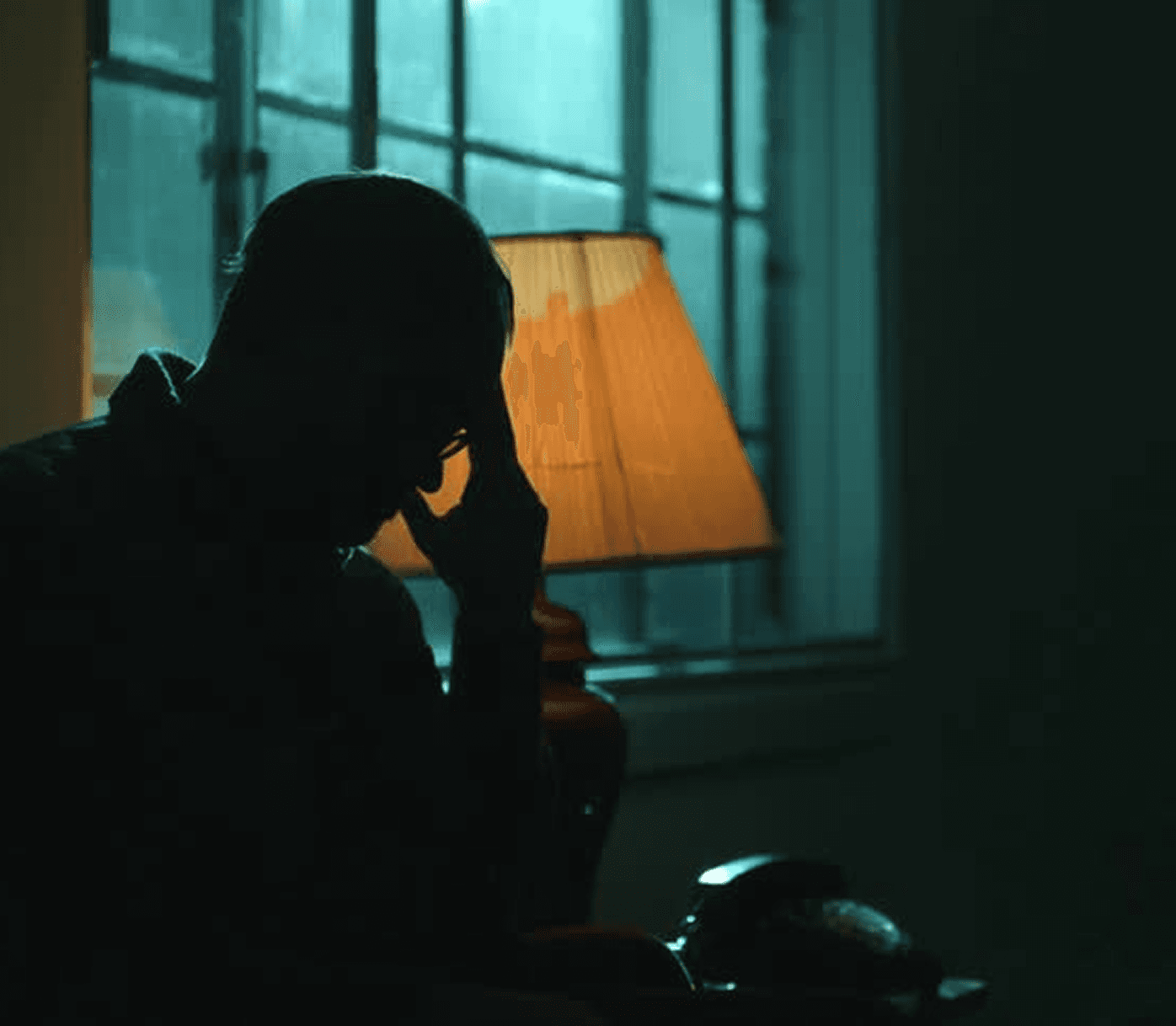
The challenge isn’t just access—it’s awareness and timing. In moments of crisis, people don’t search, browse, or explore—they act, hesitate, or shut down. Even when someone knows about 988, the steps required to access it can feel like too much in an already overwhelming moment. As a concept project, the challenge was to think within real-world constraints—designing ideas that could realistically exist within existing mobile systems. The goal was to create solutions that feel intuitive, non-intrusive, and grounded in behaviors people already understand.
Impact
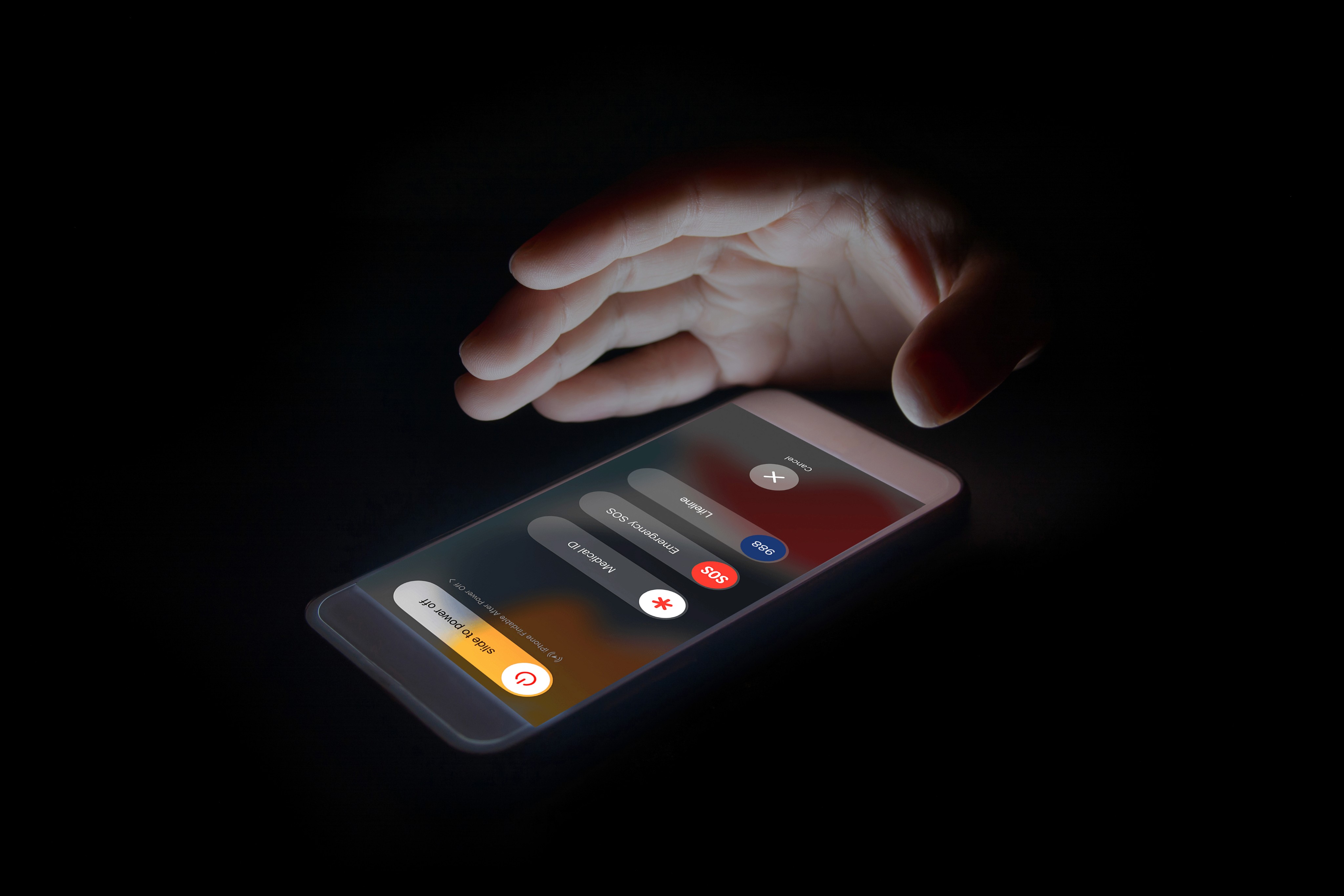
This project reframes 988 not as a number users must remember, but as support that can live within systems people already use. By leveraging familiar interactions—such as lock screen emergency flows and quick actions—the concepts reduce friction and make access to care feel more immediate. Instead of introducing new behaviors, the approach builds on patterns users already trust, meeting them where they are in moments of need. While conceptual, the work highlights how small, thoughtful integrations could increase awareness, lower the effort required to seek help, and bring support closer during high-stress moments.
Reflection
Designing for moments of crisis requires a different mindset—one centered on immediacy, clarity, and trust. I learned that the most impactful ideas aren’t always new systems, but better use of existing ones—meeting people where they are and reducing the distance between need and support. This project reinforced that design has a responsibility not just to function, but to support people when it matters most.
Latest projects
Bringing mental health support closer, when it matters most
Company
Concept
Timeline
2025
—
2025
Role
Designer & Co-Visionary
Project overview
988 is a free, nationwide mental health crisis line designed to support people in moments of need. While the service is accessible by call or text, awareness remains low—many people don’t know it exists or how to access it in critical moments. This project began as a response to a creative brief that explored how 988 could be more effectively integrated into everyday mobile experiences.
Rather than creating a new product, the focus was on how existing system patterns—like emergency services, lock screen interactions, and quick actions—could surface support at the right time. The goal was to reduce the distance between crisis and care, using familiar interactions to make help feel more immediate and accessible.
My contributions
I contributed to the development of a concept exploring how 988 could integrate into existing mobile experiences, focusing on system-level touchpoints across iOS and Android. Working closely with a teammate, we responded to a creative brief by identifying opportunities within familiar interactions—like emergency flows, lock screens, and quick actions—to make support more visible and immediate. While this began as a pitch, it quickly became something more. Mental health isn’t something to be pitched—it can be a cry for help. That shift in perspective grounded the work, pushing us to focus on creating something people could realistically access and use in moments of need.
Key design decisions
The challenge isn’t just access—it’s awareness and timing. In moments of crisis, people don’t search, browse, or explore—they act, hesitate, or shut down. Even when someone knows about 988, the steps required to access it can feel like too much in an already overwhelming moment. As a concept project, the challenge was to think within real-world constraints—designing ideas that could realistically exist within existing mobile systems. The goal was to create solutions that feel intuitive, non-intrusive, and grounded in behaviors people already understand.
Impact
This project reframes 988 not as a number users must remember, but as support that can live within systems people already use. By leveraging familiar interactions—such as lock screen emergency flows and quick actions—the concepts reduce friction and make access to care feel more immediate. Instead of introducing new behaviors, the approach builds on patterns users already trust, meeting them where they are in moments of need. While conceptual, the work highlights how small, thoughtful integrations could increase awareness, lower the effort required to seek help, and bring support closer during high-stress moments.
Reflection
Designing for moments of crisis requires a different mindset—one centered on immediacy, clarity, and trust. I learned that the most impactful ideas aren’t always new systems, but better use of existing ones—meeting people where they are and reducing the distance between need and support. This project reinforced that design has a responsibility not just to function, but to support people when it matters most.